
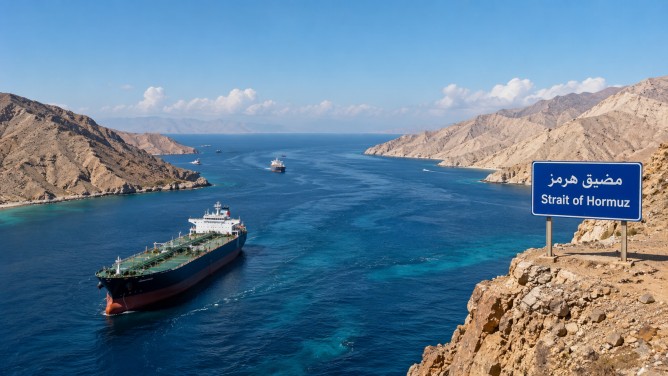
Shipping through the Strait of Hormuz experienced a marked decline on Thursday, with only three commodity vessels traversing the vital energy corridor amid escalating tensions between the United States and Iran. This represents the lowest daily traffic since May, as numerous ships postponed their voyages or reversed course due to security concerns following recent attacks on commercial vessels and increased military friction in the region.
The sharp drop in vessel movement has sparked worries regarding global energy supplies, given the strait’s role in handling a significant portion of the world’s oil and liquefied natural gas exports. This disruption has also played a part in the rising global oil prices. Some ships that successfully navigated the strait later paused in the Gulf of Oman, while another fuel tanker turned back to the Persian Gulf after briefly exiting the waterway.
Thursday’s slowdown comes on the heels of an already sluggish day on Wednesday, when only 11 vessels were recorded passing through the strait, significantly below the typical daily average of approximately 125 ships. Notably absent for two consecutive days were large crude oil tankers and liquefied natural gas carriers.
Despite the reduced traffic, two very large crude carriers, each transporting around two million barrels of oil, eventually reappeared outside the strait and proceeded toward their destinations in Asia and Europe. Meanwhile, Iraq temporarily halted oil loading operations at its Basra export terminal following a drone strike on an oil tanker, though operations resumed shortly thereafter.
Iran has issued a warning that oil and gas exports via the Strait of Hormuz could continue to face disruptions if military actions persist, heightening fears of further instability in global energy markets.