
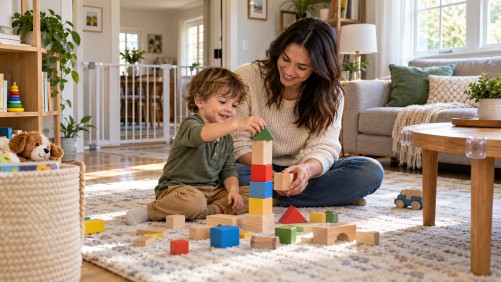
Creating a safer and healthier home environment for children can significantly impact their overall wellbeing. By focusing on areas such as air quality, food choices, sleep habits, and safety precautions, families can make simple yet effective changes to improve their living space.
Indoor air quality plays a crucial role in children’s health. Dust, cooking smoke, and strong fragrances can compromise air quality, so it’s essential to keep kitchens well-ventilated by using an exhaust fan. Regular cleaning of dusty surfaces and allowing fresh air into the home when outdoor pollution is low can also help maintain a healthier atmosphere.
Proper storage of cleaning products is another important consideration. Since these products can be hazardous, it’s advised to store detergents, disinfectants, and other chemicals in their original containers and keep them out of children’s reach. Mixing different cleaning chemicals should be avoided, as it can release harmful fumes.
Establishing a healthier food environment can influence children’s dietary habits positively. By keeping fruits, vegetables, pulses, and whole grains accessible, and limiting sugary drinks and processed foods, parents can encourage healthier choices. Additionally, practicing good hand hygiene, ensuring clean drinking water, and proper food storage are vital for reducing infection risks.
Sleep is critical for children’s growth and daily wellbeing. Ensuring a comfortable and quiet sleeping environment, reducing screen time before bed, and maintaining consistent sleep schedules can help foster healthy sleep habits.
Identifying hidden household hazards is key to maintaining a safe home. Items like medicines, batteries, sharp objects, and small swallowable items should be securely stored away from children. Addressing damp areas is also important, as prolonged moisture can lead to mold growth. Good ventilation can help keep these areas dry and contribute to a healthier home environment.
While achieving a completely risk-free home may not be possible, these small and consistent adjustments can significantly improve children’s everyday surroundings, laying a stronger foundation for their overall health and wellbeing.