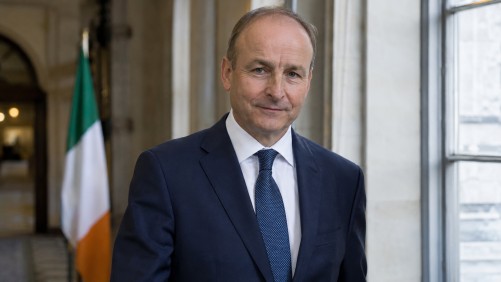
European Union leaders have convened in Brussels to negotiate the bloc’s next long-term budget, amounting to approximately €1.56 trillion for the 2028–2034 period. The summit, attended by Irish Prime Minister Micheál Martin and other key figures, aims to resolve ongoing disagreements among member states over the budget’s size and priorities.
The discussions have revealed a split between wealthier EU nations, which contribute more financially, and those that receive greater support. Central to the negotiations are funding priorities, including agricultural support, regional development, economic competitiveness, and defense spending.
European Council President António Costa has proposed a revised budget, reducing the initial €2 trillion plan by 10%. Despite the reduction, the proposed budget remains significantly larger than the current seven-year financial framework. Costa has urged leaders to adopt a constructive stance to reach an agreement, emphasizing the importance of timely approval to meet the EU’s long-term goals.
However, Dutch Prime Minister Rob Jetten has expressed reservations, advocating for a smaller and more modern budget. Jetten insists that further modifications are necessary for the Netherlands to endorse any agreement.
While an immediate resolution is unlikely, the Brussels discussions are intended to pave the way for a compromise ahead of the next EU summit. The negotiations highlight the challenges of aligning diverse national interests within the EU’s collective financial strategy.