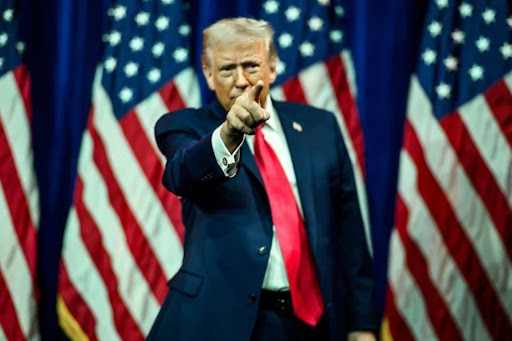
US President Donald Trump has delivered a blunt warning to Iran, urging Tehran to get serious about peace negotiations before it is “too late.” Trump made the remarks on his Truth Social platform, claiming that Iranian negotiators were privately begging for a deal despite publicly stating they were only reviewing Washington’s proposal. The contradiction between Iran’s public stance and what Trump described as behind-the-scenes desperation has added fresh tension to already fragile diplomatic efforts.
Trump’s warning comes as the United States put forward a 15-point ceasefire proposal that includes significant concessions, among them sanctions relief and nuclear programme rollbacks. The plan also calls for limits on Iran’s missile capabilities and the reopening of the Strait of Hormuz, a crucial global oil shipping route. Iran has so far rejected this framework and instead presented its own set of demands through state media.
Tehran’s counter-proposal includes a demand that attacks on its officials be stopped, guarantees against future military action, war reparations, and formal recognition of Iranian sovereignty over the Strait of Hormuz. These demands stand in sharp contrast to Washington’s proposals, leaving a wide diplomatic gap between the two sides. Conflicting signals from both capitals have made it difficult to gauge how close or far a deal truly is.
The human cost of the ongoing conflict has been staggering. Over 1,500 people have died in Iran and nearly 1,100 in Lebanon, while dozens have been killed in Israel and other parts of the region. Thirteen US military personnel have also lost their lives, and millions have been forced from their homes across Iran and Lebanon.
As missile strikes and air raids continue across the region, the urgency of a diplomatic resolution grows with every passing day. Trump’s warning signals that Washington’s patience is wearing thin, and that the window for a negotiated peace may be narrowing. Whether Tehran chooses to engage seriously or hold firm to its own terms will likely determine the next phase of this conflict.