
Prioritizing health through diet doesn’t necessarily mean spending on costly superfoods or adopting intricate eating plans. Everyday kitchen staples can significantly contribute to a healthy lifestyle when used thoughtfully. Opting for fresh, minimally processed foods can enhance the nutritional value of daily meals, ensuring they are both wholesome and satisfying.
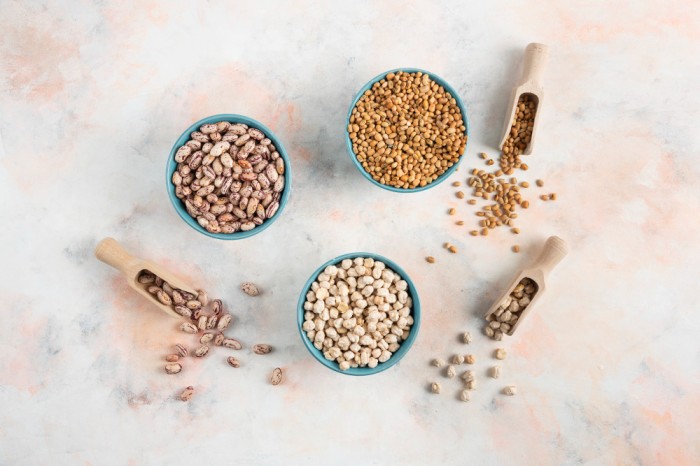
Pulses such as dal, rajma, and chana are fundamental to a balanced diet, offering a rich supply of plant-based protein, fiber, and essential nutrients. Selecting less processed versions of these staples helps preserve their inherent nutritional qualities. Regular consumption of pulses can aid digestion, promote a feeling of fullness, and contribute to more balanced meals overall.
Whole wheat flour, a common household necessity, can vary significantly in nutritional content based on its processing. Minimally processed flour retains more fiber and nutrients than its highly refined counterparts, while traditional wheat varieties can introduce diversity and added nutritional benefits to daily meals. Similarly, freshly ground spices such as turmeric, cumin, coriander, and black pepper are prized not only for their robust flavors but also for their traditional health advantages. Freshly ground options typically offer superior taste and aroma compared to older or heavily processed spices, enhancing the culinary experience.
The choice of cooking oil also plays a crucial role in the healthfulness of meals. Wood-pressed oils, extracted with minimal processing, are often preferred for their ability to preserve natural flavors and characteristics. Moderation in the use of these oils can support a balanced diet. Meanwhile, sorghum and other millets have been integral to traditional diets for generations. Sorghum, in particular, is naturally high in fiber and nutrients, making it an excellent addition to dishes like rotis and porridge, thereby enhancing dietary variety and balance.
Ultimately, good health often stems from the simple, everyday choices we make. By selecting fresh grains, pulses, spices, and cooking ingredients, individuals can create meals that are not only nutritious but also deeply satisfying, laying a strong foundation for overall well-being.