
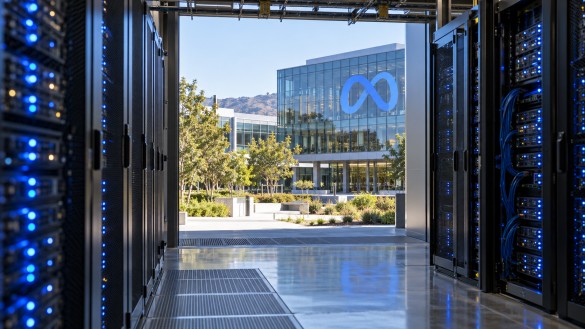
Meta Platforms has significantly increased its planned equity fundraising to $97.5 billion, aiming to bolster its investments in artificial intelligence infrastructure. This expansion includes enhancements to data centers, chips, and computing capacity, underscoring Meta’s strategic focus on AI growth.
The company has raised its initial common stock offering from $22.5 billion to $25 billion, with shares priced at $625 each. Additionally, Meta has priced 250 million depositary shares at $50 per share. A separate at-the-market share sale program, valued at up to $60 billion, is also part of the fundraising strategy. This program would allow Meta to issue shares gradually based on prevailing market prices, with trading of its new non-voting Class C shares anticipated to begin in the first quarter of 2027.
Interest from major chipmakers such as Nvidia, Advanced Micro Devices, and Broadcom has been piqued, with potential investments amounting to $5 billion. Nvidia has independently confirmed its plan to invest $3 billion in the offering. This participation highlights the growing financial interconnection between AI companies and technology suppliers, raising questions about the implications of these relationships.
Meta’s aggressive AI expansion has exerted pressure on its financial standing. The company reported a negative free cash flow of $2.12 billion for the third quarter, contrasting with a positive free cash flow of $10.63 billion during the same period last year. As of September 30, Meta’s financial reserves included $82.45 billion in cash and equivalents, alongside $80.92 billion in long-term debt.
The company has adjusted its annual capital expenditure forecast, now projecting spending between $135 billion and $145 billion. Meta is banking on the rising demand for AI products and the development of competitive AI models to eventually yield profitable returns. This substantial fundraising effort reflects a broader trend among major tech companies towards leveraging equity and debt financing to meet the escalating costs associated with AI infrastructure.