
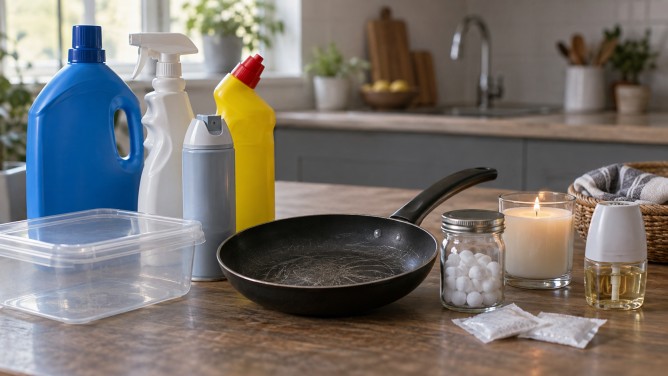
Household products commonly found in kitchens and living spaces can sometimes pose hidden health risks. Health experts advise being vigilant about the contents of your home, especially when safer alternatives are available. Making informed choices about these everyday items can contribute significantly to healthier living.
Sugary soft drinks are one of the primary culprits in contributing to excessive sugar consumption, which has been linked to various long-term health issues. Avoiding these beverages at home can help prevent them from becoming a routine indulgence. Similarly, processed meats, such as bacon, sausages, and hot dogs, have been classified by the World Health Organization as carcinogenic. Reducing their intake could be a step towards a healthier diet.
Tobacco and vaping products remain significant preventable causes of disease and cancer on a global scale. Keeping these products out of the home can decrease exposure and discourage habitual use. In the kitchen, scratched non-stick cookware is another concern, as damaged coatings can degrade over time. Replacing cookware when the coating is visibly scratched is a recommended safety measure.
Plug-in air fresheners often mask odors instead of actually purifying indoor air. Some fragrance chemicals can react with pollutants, possibly forming new compounds. Improving ventilation and eliminating the source of unpleasant smells are more effective first steps. In the kitchen, plastic cutting boards can degrade with repeated use, potentially releasing tiny particles. It’s advisable to replace heavily worn boards and use separate ones for different types of food.
Highly sweetened breakfast cereals, despite their appealing taste, often contain substantial amounts of added sugar, making them less nutritious. Opting for whole-grain, low-sugar cereals can offer a healthier start to the day. Additionally, repeatedly reheated cooking oil can break down and produce harmful compounds. Using fresh oil and minimizing reheating are practices that contribute to safer cooking. Implementing these small changes in household habits can pave the way for a healthier lifestyle over time.